

Why Islam Has Always Been a Wellness Religion — And What That Means for Your Body Today
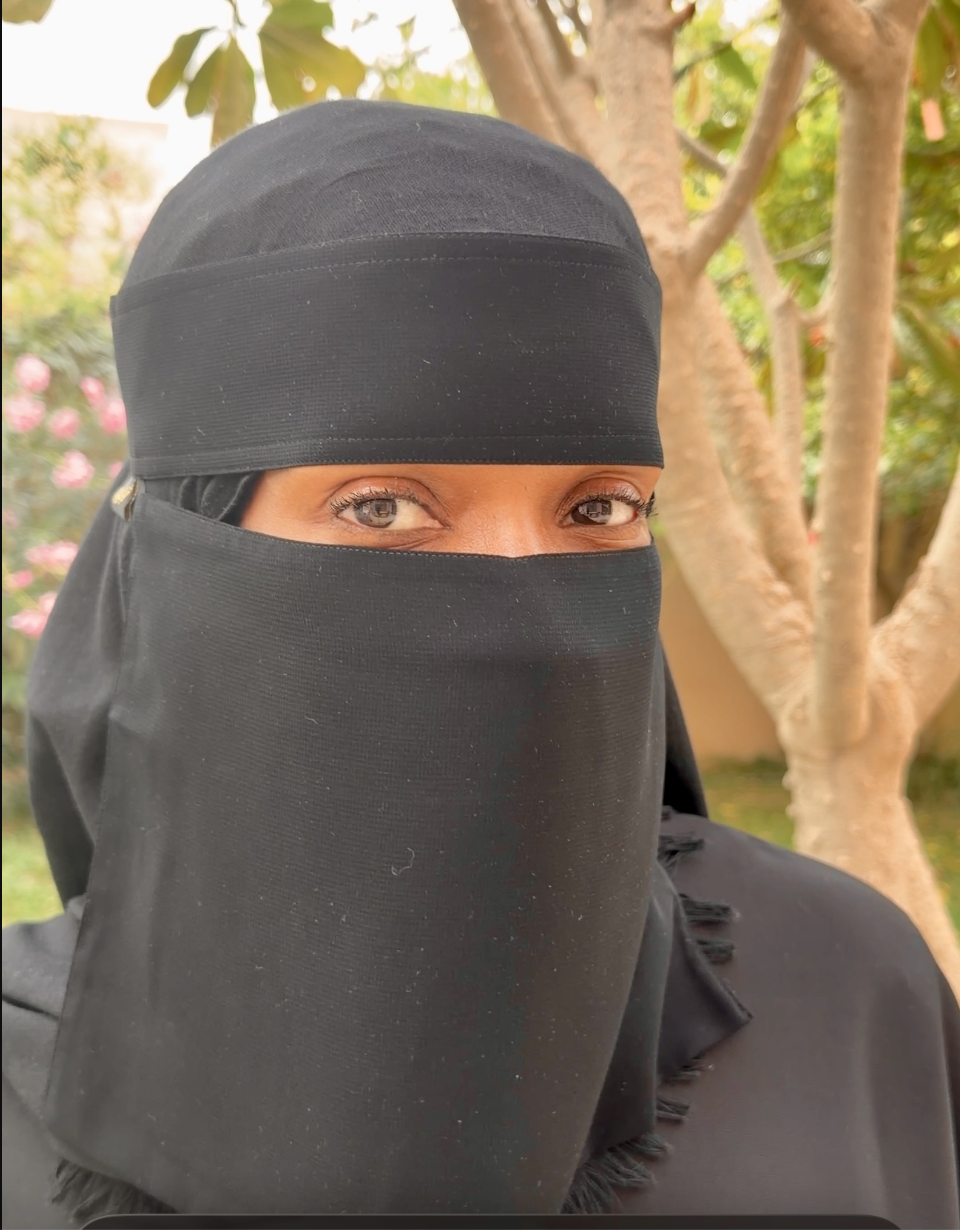
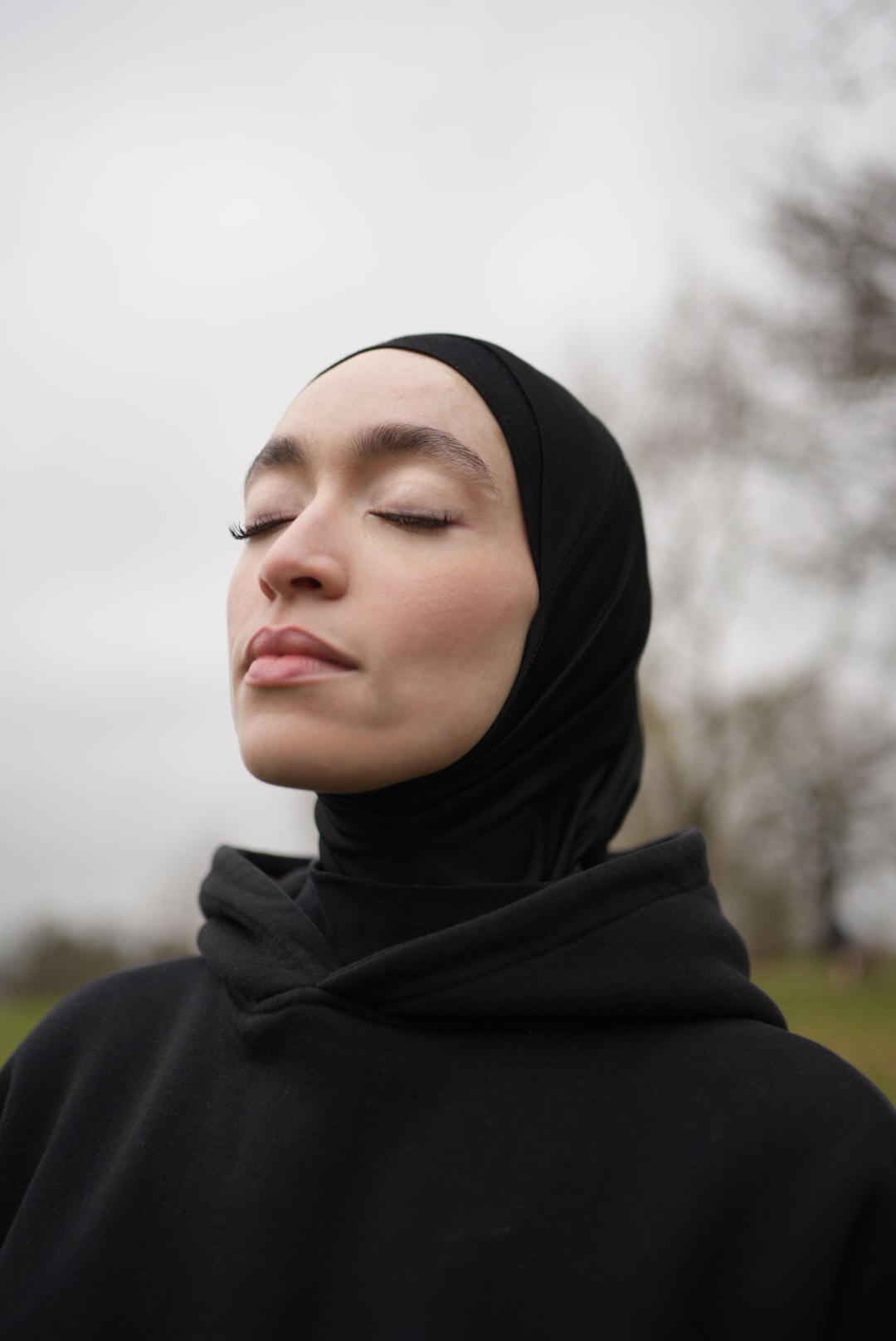
I grew up being fit and liking it. I loved hiking, gymnastics, and ballet. It was something that I sometimes obsessed over. As I got older, I had a question in the back of my mind that I pushed further back whenever it surfaced. Being strong, healthy, and fit were ingrained positives in my mind. Then why did this question make me feel uncomfortable?
I wondered if caring and focusing too much on my physical wellness was a distraction from my deen, or at best a worldly (dunya) indulgence. The more I studied, Alhamdulillah, I came to realize that I wasn’t doing anything wrong. In truth, Islam has always been a religion that encourages wellness. Not as a framing device or in a metaphorical sense, but more so in a theologically grounded sense.
I realized that the Qur’an and the Sunnah of our Prophet ﷺ contain more guidance on our body’s health, nutrition, sleep, and rest than most people know. Once this is understood, it changes everything about how we as Muslim women approach wellbeing and what it really means to adopt health as a lifestyle in relation to obedience to Allah.
Your body was not entrusted to you to neglect it
وَلَا تُلْقُوا بِأَيْدِيكُمْ إِلَى التَّهْلُكَةِ
"And do not throw yourselves into destruction." Surah Al-Baqarah, 2:195
The ayat in the Quran is proof enough and an explicit prohibition to take care of ourselves. This is a responsibility given to us from our Creator, meaning our body is not ours to neglect in any way. The famous scholar of Tasfeer, Ibn Kathir, also noted that to harm your body by neglecting it or by indulging in excess is a direct means of falling within this prohibition.
"Your body has a right over you."
Sahih al-Bukhari. Narrated by Salman al-Farisi
This is not to be taken merely as a “suggestion”. It is a right our bodies have over us. Yes, we literally owe our bodies this! So now, the question of whether we should take care of our bodies has been settled by the authentic texts; the bigger question now is simply, how?
The concept of trust - carrying an amanah
Understanding the Islamic concept of trust in regards to ones health is enlightening. Our bodies are referred to as an amana, an Arabic word that means sacred trust. In Islam, we believe that your body is not something you have direct ownership of. On the contrary, your body is something you have been entrusted with, temporarily, by Allah.
This single belief reframes everything.
Let’s look at it in action against the modern landscape of ‘hustle culture’. Hustle culture dictates that you push yourself to unrealistic expectations. You sleep fewer hours because you have to push yourself so hard to succeed in worldly affairs; this is actually a misuse of the trust. Another example is training compulsively to the point of injury, which is also a misuse of the trust. But equally, when you are stagnant, when you do nothing at all, when your diet is so bad or deficient that it slowly damages your health, when you ignore obvious health warning signals from your body, year after year- this too is a misuse of the trust.
Remember, sisters, the objective is not perfection. The goal is accountability. And accountability requires knowing what you are responsible for.
Modern research affirms what Islamic tradition has understood for centuries. In a 2021 study published in the Journal of Religion and Health, it was established that faith-based frameworks for health significantly improved adherence to wellness behaviours among Muslim women, including physical activity and nutrition. (Abu-Ras & Laird, 2011, Journal of Religion and Health) It is important to note the connection between spiritual commitment and physical health. It is not just religiously sound; it has been proven through research, data, and observation.
The Proof: The Prophet ﷺ moved. Consistently.
Surprisingly, one of the most overlooked details of the Sunnah is how physically active the Prophet ﷺ was.
We know from Hadith that he walked long distances. He rode horses. He even participated in physical competitions. Aisha RA narrated that she raced the Prophet ﷺ on foot two times. The first time she won. The second time was after she had gained weight, so he won. And he smiled and said: "This is for that." (Sunan Abu Dawud, narrated by Aisha RA)
This is by no means a trivial narration. This is our Prophet ﷺ engaging in physical exercise with his beloved wife. A friendly competition. Laughing and keeping score. We learn that movement was not at all separate from his life of worship, Alhumdullilah, it was woven into it.
The Sunnah also gives extensive guidance on eating. Let's look at the beautiful guidance of the well-known one-third rule: The Prophet ﷺ said,
"A human being fills no vessel worse than his stomach. It is sufficient for the son of Adam to eat a few mouthfuls to keep his spine straight. But if he must eat more, then a third for food, a third for drink, and a third for air." (Sunan Ibn Majah, narrated by Miqdam ibn Ma'dikarib, authenticated by Al-Albani)
This was mentioned fourteen centuries before any scientific research on portion control and metabolic health was published. Our Prophet ﷺ described back then exactly what doctors and sports nutritionists only now recommend for longevity, optimal energy management, and ideal digestion.
Why modern wellness got this wrong
According to the Global Wellness Institute, the global wellness industry is now worth over $5.6 trillion (2023). And in almost none of the research, programs, or advice will you find a framework that begins from Islamic principles.
Consequently, you will find forms of wellness filtered through certain cultural assumptions. They treat spirituality as an optional add-on, they describe fasting as a global trend, modesty is viewed as a hindrance to performance, and one's faith is something to work around rather than build from. However, we do see the inclusion and adoption of ‘faith’ when it has pagan origins. Hence, the popularity of Yoga, sound healing, meditation, and other New Age practices.
This is not a minor industry oversight. For us, as Muslim women, wellness devoid of faith is wellness that simply does not work. It's not because faith and fitness conflict, but because when you remove the religious foundation, nothing else holds.
Treating the body as amanah, a sacred trust, actually gives fitness its meaning and most importantly, its purpose. The Sunnah of the Prophet ﷺ justifies movement. The widely known Arab proverb reminds us: "In movement, there is blessing." (Al-Haraka Barakah). This beautifully forms a complete framework for physical wellbeing that Islam has held for over 1,400 years. This is why Fitrah Fitness chose this proverb as our tagline.
What this means for you, practically
It is a form of worship to care for your body. This statement should not be treated as a metaphor because it is an established religious prescription grounded in many authentic texts.
This is why it is not a distraction from deen. The workouts m
atter. Sleep and rest matter. Your nutrition matters. And not based on the advice of the sports or wellness industry, but because the body you were blessed with belongs to Allah, and you are responsible for how you care for it.
This is mentally freeing because it also means you do not have to compartmentalise. There is no question of having to choose between your deen and your health. This is one of the reasons why we built the Fitrah Fitness app. You do not have to use apps built by or based on the standards of someone else and try to make them work for you as a Muslim woman.
Islam already gave us the framework. You just needed someone to remind you it was there.
Alhamdulillah, this is what Fitrah Fitness was built to do.
REFERENCES
- Ibn Kathir. Tafsir al-Qur'an al-Azim. Commentary on Surah Al-Baqarah 2:195.
- Sahih al-Bukhari. Hadith narrated by Salman al-Farisi. "Your body has a right over you."
- Sunan Abu Dawud. Hadith narrated by Aisha RA. The racing narration.
- Sunan Ibn Majah. Hadith narrated by Miqdam ibn Ma'dikarib. The one-third rule. Authenticated by Al-Albani.
- Abu-Ras, W., & Laird, L. (2011). How Muslim and non-Muslim chaplains serve Muslim patients? Journal of Religion and Health, 50(1), 46–61.
- Global Wellness Institute. (2023). Global Wellness Economy Monitor.







Join The Community
Be among the first.
Sign up for a free 7-day trial and look at everything we're building.